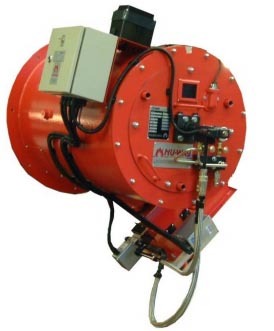
About Diesel Industrial Burner
NOE/F/G 50
Product specifications
Capacity:507kw to 1407kw
Fuel:HSD/ LDO/ FO
Regulation:ON/OFF, HIGH/LOW and Modulating
NOE/F/G Heavy oil Burner features :
Burner mounted Control panel
2 stage Control (high/low)
NOE- Class 'E' oil 8 cSt @ 100'C
NOF- Class 'F' oil 20 cSt @ 100'C
NOG - Class 'G' oil 40 cSt @ 100'C
Air Damper - NOE- Hydraulic, NOF- Hydraulic, NOG- electric Motor fully closing
Oil Heater - Included with burner to heat oil for Atomization
Burner mounted for high/low control , and for modulating control
(Intermittent operation on NOG during standby to maintain oil temperature for immediate restart)
All burners require a pre-heated ring main oil supply,minimum temperature @ 16'C for class 'E' oil ,43' for class 'F' oil and 83'C for class 'G' oil.
All kw ratings are nett CV
Quiet in operation and designed for easily maintenance
Suitable for high resistance boilers
Industry standard components easily available
Optional Extras : Mounting control
Air inlet silencer
Fully closing air damper (NOE and NOF)
Acoustic Cover (Wheel-over)
Water level control panel (AOTC)
Separate floor - standing oil pumping and heating unit.
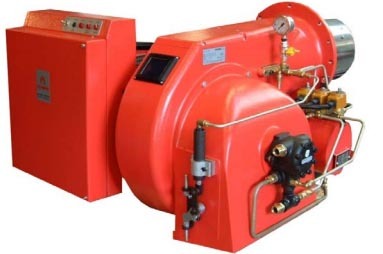
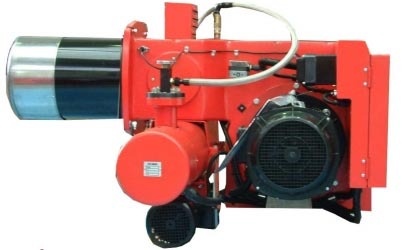
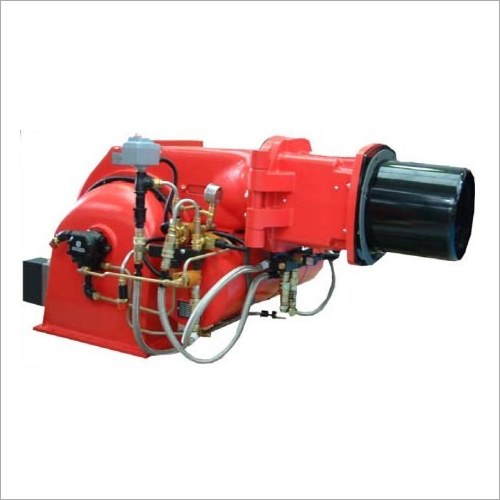
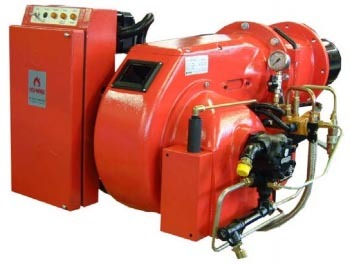
Engineered for demanding industrial environments, the Diesel Industrial Burner ensures optimal efficiency and consistent heat output. Its steel construction provides enhanced durability, while the red finish adds a distinctive touch. Designed for seamless integration, this burner meets the ever-evolving requirements of production, manufacturing, and processing facilities throughout India.
Comprehensive Distributor NetworkAs a distributor, exporter, importer, service provider, and supplier, we cater to a vast industrial clientele across India. Our extensive network guarantees timely product delivery, installation, and after-sales support, reassuring customers of our commitment to quality and service excellence. Clients benefit from a streamlined supply chain and accessible technical expertise.
FAQs of Diesel Industrial Burner:
Q: How is the Diesel Industrial Burner installed in an industrial setting?
A: Installation of the Diesel Industrial Burner involves connecting the unit to your existing fuel supply and industrial heating system. Our team or authorized service providers in India ensure proper setup and integration, complying with industry safety standards for optimal performance.
Q: What industries commonly use the Diesel Industrial Burner?
A: This burner is widely utilized across manufacturing, processing, chemical, and power generation industries in India. Its robust design and reliable operation make it suitable for applications requiring sustained heat and energy efficiency.
Q: When should routine maintenance be performed on the burner?
A: Routine maintenance should be scheduled every six months or as recommended by system usage intensity. Regular inspections by service providers help prolong lifespan, optimize efficiency, and reduce the risk of unexpected downtime.
Q: Where can I purchase, service, or import the Diesel Industrial Burner in India?
A: The Diesel Industrial Burner is available through a network of authorized distributors, suppliers, and traders across India. Requesting service or importation is simple by contacting our regional branches or certified service providers.
Q: What is the process for becoming a distributor or supplier of this burner?
A: Prospective distributors or suppliers can apply through our official channels, providing business credentials and industry background. Following evaluation and compliance checks, successful applicants gain access to product portfolios and technical support.
Q: How is the burner beneficial for industrial operations?
A: The burner offers reliable and continuous heat generation, enhancing operational efficiency and reducing energy costs. Its sturdy steel construction and easy maintenance make it a cost-effective solution for long-term industrial use.
Q: What are the usage guidelines for optimal burner performance?
A: Users should adhere to operational manuals, ensure proper fuel quality, regularly inspect components, and utilize authorized service providers for maintenance. Following these guidelines results in maximum efficiency and equipment longevity.






 Send Inquiry


 Send Inquiry


